By NoSetDestination·Reviewed by the NoSetDestination editorial team·Published
·Updated
Your route9 stops · 12 days
Day 1Lima
Day 2Lima/Puno
Day 3Puno/Lake Titicaca
Day 4Lake Titicaca/Puno
Day 5Puno/Cusco
Day 6Cusco/Ollantaytambo
Days 7–9Inca Trail
Day 10Machu Picchu/Cusco
Days 11–12Cusco
This is a classic Andean highlights route, structured for travelers who want the main checkpoints covered without the logistical overhead. The path follows a steady, demanding ascent from sea level in Lima to over 4,000m on the Inca Trail, making acclimatization a key part of the plan. It's a good fit for anyone with solid hiking fitness, prepared for basic camping on the trail and a homestay on Lake Titicaca.
A 12-day route from Lima's coast to the high Andes, crossing the Altiplano to Lake Titicaca before the classic four-day Inca Trail trek to Machu Picchu and Cusco.
The Route, Day by Day
Each leg of the journey mapped out — where the day takes you, what's actually on the ground, and things to consider when planning this tour.
Day 1 of 12
Lima
Arrival in Lima
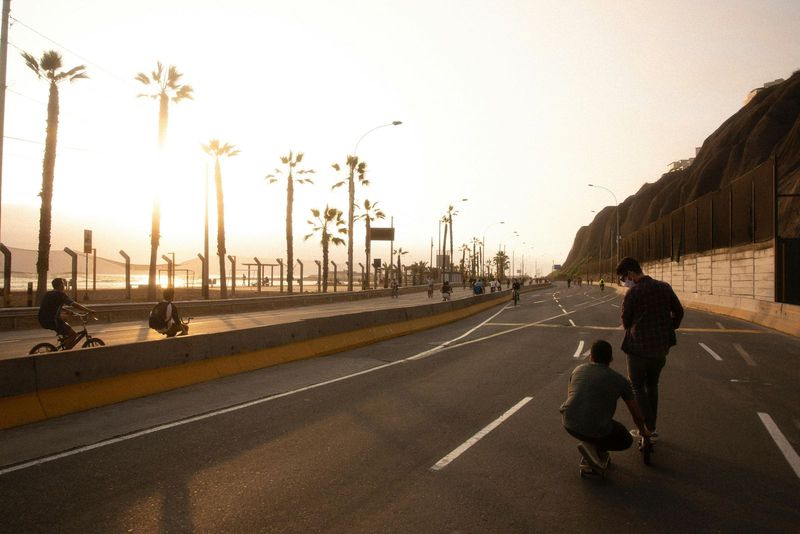
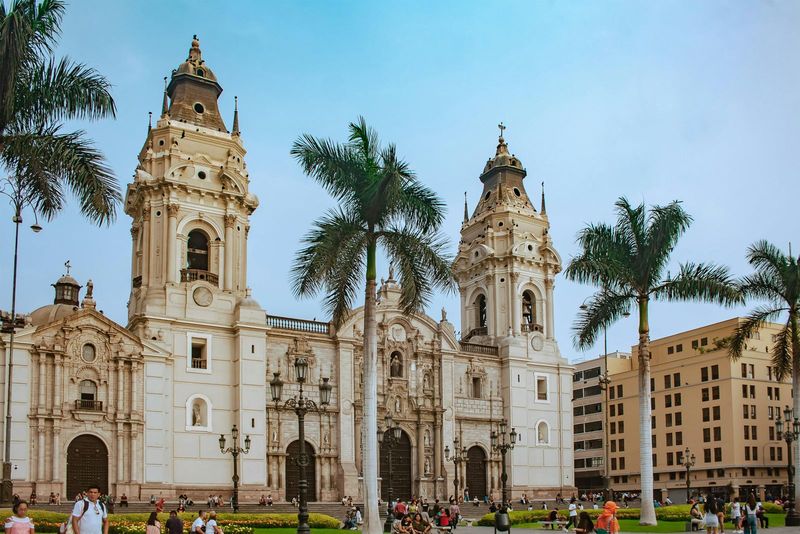
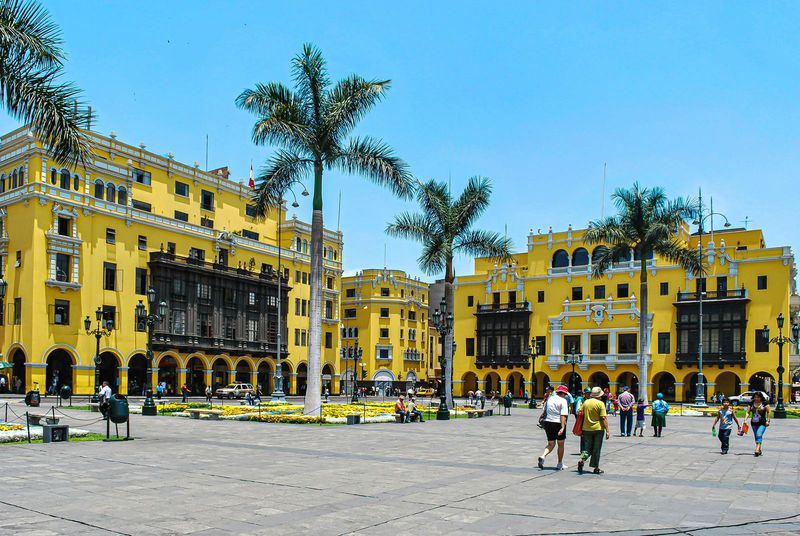
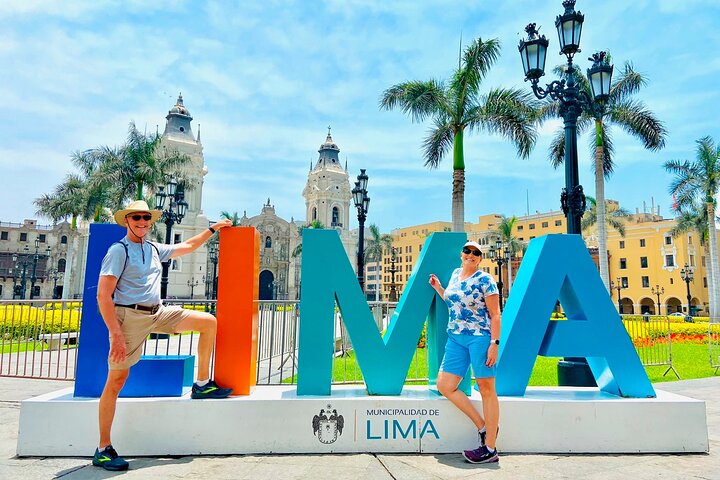
Arrive in Lima at any time. Most international flights land by late morning, leaving a full afternoon to drop your bags and get oriented. Settle into a hotel in Miraflores or Barranco; both are walkable, ocean-facing districts with plenty of cafes and restaurants. A short taxi ride gets you to the historic center for a look at the Plaza Mayor and the cathedral.
Option to pre-book a Lima Cooking Class experience.
Note: Hot water and power outages can be common in Peru.
DIY Reality Check: Navigating ground transport upon arrival at Lima's airport presents immediate operational friction. In early 2024, Peru's transit authority sanctioned over 580 vehicles for providing informal, unauthorized taxi services at the airport. The U.S. State Department advises travelers to avoid hailing taxis on the street due to risks of robbery and assault, recommending only the use of official taxi companies located at counters inside the airport. For an independent traveler, this means the first task after a long flight is to bypass unsolicited drivers, identify the official service desks, and vet a safe ride from a chaotic field of options. A pre-arranged transfer sidesteps this entire vetting process, ensuring a verified driver is waiting upon your arrival.
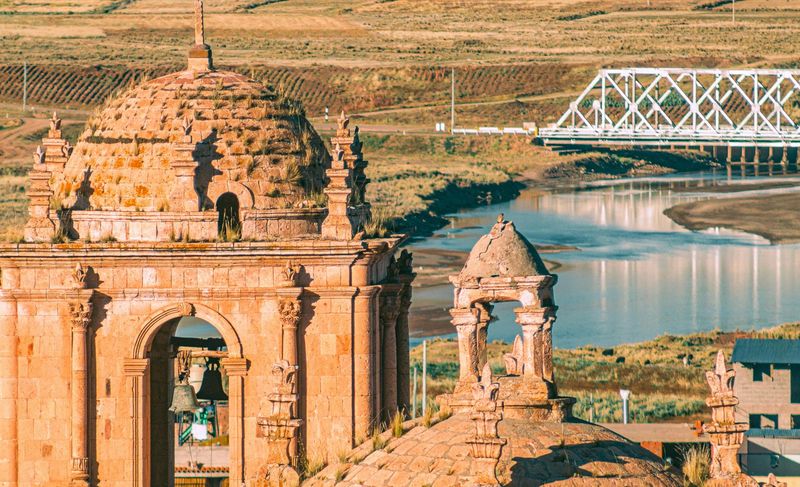
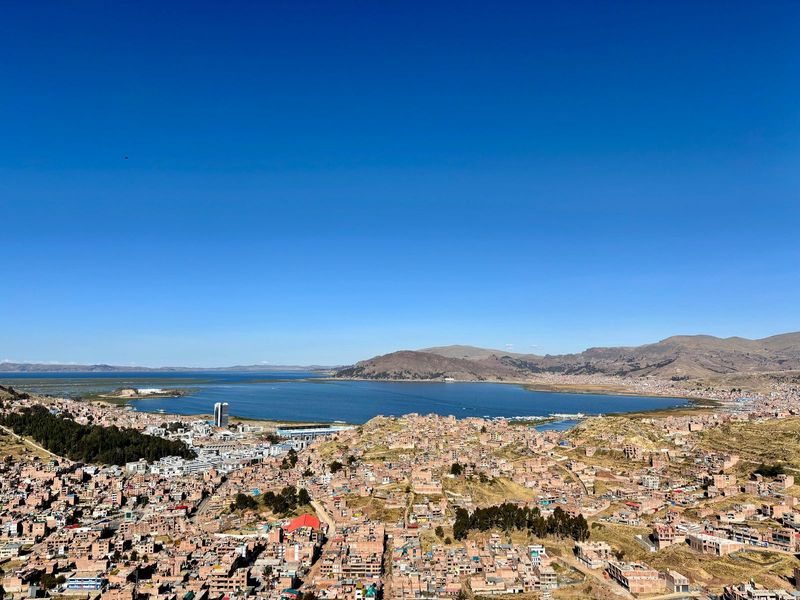
A morning flight from Lima brings you to Juliaca, the airport serving the Lake Titicaca region. From there, it’s a one-hour overland journey to Puno, a port city sitting at a serious 3,827m (12,556 ft). The altitude is no joke. The first day is best spent acclimatizing: walk slowly, drink plenty of water, and keep activity to a minimum. A slow walk through the city's markets is about the right speed.
Overland transfer from Juliaca to Puno (approx. 1 hour).
Free afternoon to acclimatize to the high altitude.
Accommodation: Pukara House.
Meals: Breakfast.
Day 3 of 12
Puno/Lake Titicaca
Lake Titicaca Homestay
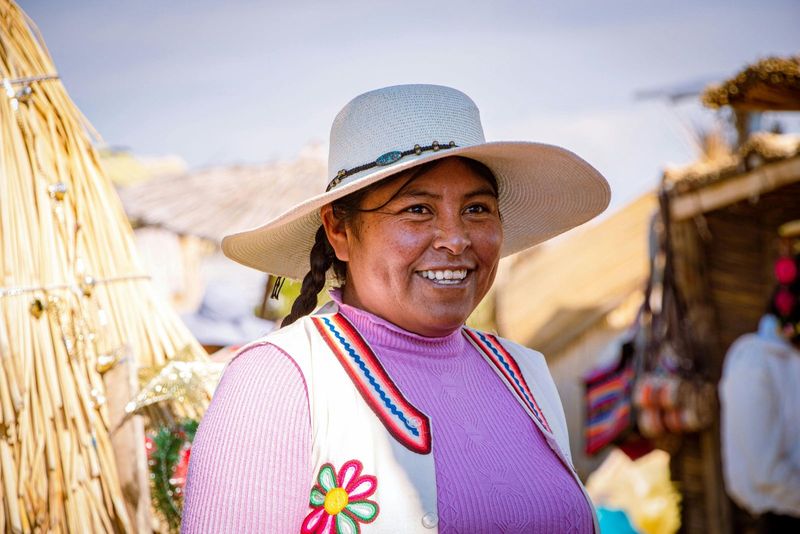
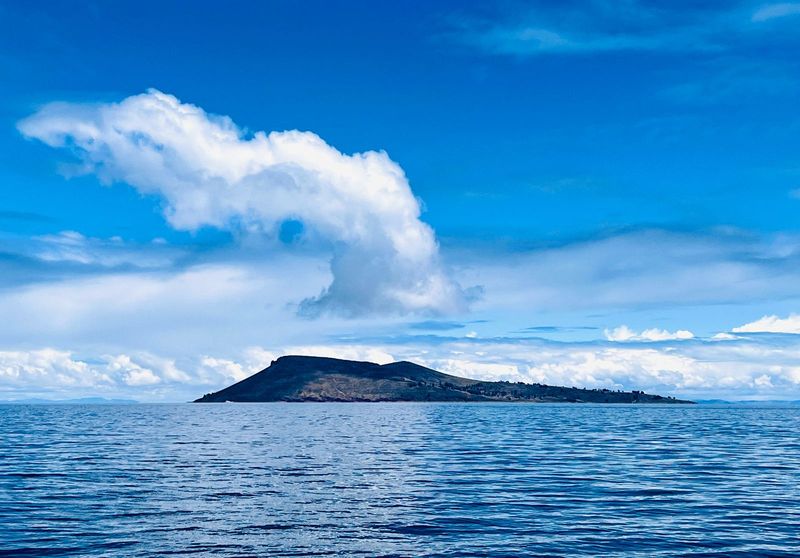
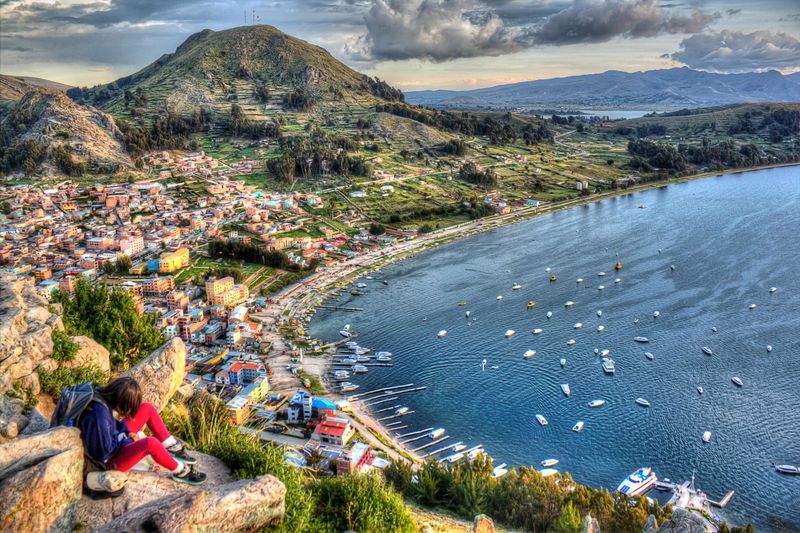
The day is spent on the water. A boat from Puno harbor heads out across the deep blue of Lake Titicaca, first to Taquile Island, known for its community-run restaurants and exceptional textiles. After lunch, the boat continues to a smaller, less-visited village on the lakeshore for an overnight homestay with a local family. This is a direct look into rural life in the Altiplano—expect to share meals, help with daily chores, and communicate with a mix of Spanish, Quechua, and hand signals.
Visit Taquile Island and its weaving cooperatives.
Overnight homestay with a local family in a village like Luquina Chico.
Experience local traditions, food, and daily life.
Accommodation: Luquina Homestay.
Meals: Breakfast, Dinner.
DIY Reality Check: Arranging an authentic, ethical homestay on Lake Titicaca is a significant vetting challenge for independent travelers. While booking platforms list numerous options, distinguishing genuine community-run homes from commercialized lodges is difficult from afar. Ethical tourism blogs recommend travelers personally verify that operators use a rotation system and that money directly benefits the host families—a difficult task to manage when booking independently. Furthermore, coordinating the day's specific logistics—a boat from Puno to Taquile Island, followed by a separate transfer to a less-visited community like Luquina for an overnight stay—is not a standard public route and requires chartering a private boat or stitching together services from multiple, unvetted local operators. A pre-arranged trip handles both the ethical vetting and the complex multi-leg boat coordination, ensuring a seamless connection to a verified community homestay.
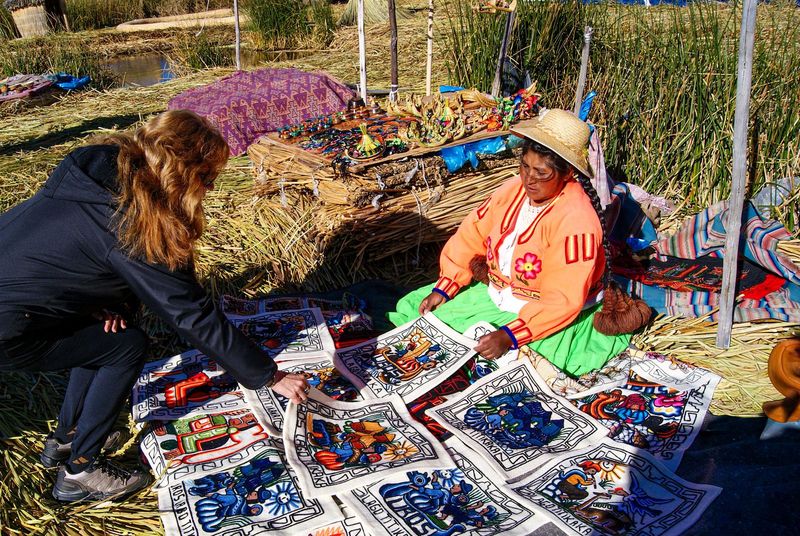
After a final morning with the host family, the boat returns towards Puno. The route back includes a stop at the Uros Floating Islands, an archipelago of man-made platforms woven entirely from the lake's buoyant *totora* reeds. Residents demonstrate how the islands are built and maintained, layer by layer. Back in Puno by afternoon, there's time for an optional trip to the Sillustani burial towers, a pre-Inca site just outside the city.
Been to Lake Titicaca/Puno, Uros Floating Islands?Create an account
and share your photos with other travelers planning this trip.
Day at a glance
Visit the Uros Floating Islands and learn about their construction.
Return boat trip to Puno.
Optional afternoon visit to the Sillustani burial site.
Optional kayaking on Lake Titicaca.
Accommodation: Pukara House.
Meals: Breakfast, Lunch.
DIY Reality Check: The quality of a visit to the Uros Floating Islands hinges entirely on the operator, a significant vetting challenge for independent travelers in Puno's saturated tour market. Ethical tourism advocates advise travelers to verify that operators ensure visitor fees directly benefit the host families, rather than funding a staged performance on islands sometimes described as feeling like a "human zoo". Furthermore, adding the optional afternoon trip to the Sillustani burial towers requires separate, on-the-ground coordination: a DIY traveler, after returning to the port, would need to independently find and negotiate transport for the 45-minute drive to the site. A coordinated trip removes both the ethical guesswork and the logistical scramble, integrating a vetted Uros visit with seamless transport to subsequent activities.
This is a full travel day. The bus journey from Puno to Cusco takes seven to eight hours, cutting north across the stark, high-altitude plains of the Altiplano. The scenery is vast and sparsely populated, a landscape of rolling grasslands and distant peaks. You'll arrive in Cusco in the evening with just enough time to check in, find dinner, and prepare for the Sacred Valley.
Been to Puno/Cusco, Overland to Cusco?Create an account
and share your photos with other travelers planning this trip.
Day at a glance
Full-day local bus journey from Puno to Cusco (7-8 hours).
Travel through the high-altitude Altiplano region.
Evening arrival in Cusco.
Accommodation: Cusco Plaza Saphi.
Meals: Breakfast.
DIY Reality Check: While the bus journey to Cusco is a classic overland route, not all operators are created equal. Bus accidents in Peru are common enough that both the U.S. and UK governments issue specific advisories, with the U.S. State Department restricting its own personnel from most nighttime road travel outside of cities. Peru's transport regulator, SUTRAN, maintains safety and accident data that reveals significant performance differences between companies, making operator choice a critical vetting task for an independent traveler. A pre-arranged journey removes this research burden by relying on a vetted, reputable transport provider for the long-haul route.
A full day is dedicated to exploring the Sacred Valley, the fertile river corridor that was once the heartland of the Inca Empire. The route from Cusco stops first at a women's weaving cooperative in the village of Ccaccaccollo, followed by a pottery-making demonstration in Cuyo Chico. Lunch is at a community-run restaurant in Huchuy Qosqo, which serves traditional food using local ingredients. The day ends in Ollantaytambo, a living Inca town whose cobblestone streets are shadowed by terraced ruins. You can hike up to the storehouses for a view or find a local *chichería* (corn beer bar).
Been to Cusco/Ollantaytambo, The Sacred Valley?Create an account
and share your photos with other travelers planning this trip.
Day at a glance
Full-day exploration of the Sacred Valley.
Visit a women's weaving cooperative in Ccaccaccollo.
Pottery demonstration in the Cuyo Chico community.
Lunch at the Parwa Community Restaurant in Huchuy Qosqo.
Overnight in Ollantaytambo.
Accommodation: Lilium Valle Hotel.
Meals: Breakfast, Lunch.
Day 7 of 12
Inca Trail
Inca Trail: To Wayllabamba
The trek begins. A van from Ollantaytambo leads to the trailhead at Piscacucho, also known as Km 82. After crossing the checkpoint, the first day is a relatively gentle introduction to the trail. The path follows the Urubamba River before climbing slowly through a broad valley, passing the terraced Inca site of Llactapata. The 11km hike takes five to six hours, ending at the first campsite near the village of Wayllabamba. A crew of porters and a cook manage the camp logistics, so you only need to carry a daypack.
Been to Inca Trail, To Wayllabamba?Create an account
and share your photos with other travelers planning this trip.
Day at a glance
Begin the 4-day Inca Trail trek from Km 82.
Hike to Wayllabamba Camp (11km, 5-6 hours).
Pass the Inca archaeological site of Llactapata.
Fully supported trek with porters and cook.
Accommodation: Camping at Wayllabamba.
Meals: Breakfast, Lunch, Dinner.
DIY Reality Check: Peruvian law forbids independent hiking on the Inca Trail; every trekker must be accompanied by a licensed guide from an authorized tour operator. Access is further restricted by a government permit system that caps entry at 500 people per day—a number that includes the necessary guides, porters, and cooks, leaving only about 200 spots for tourists. These permits are tied to a specific passport number, are non-transferable, and often sell out six to eight months in advance. Furthermore, all trek operations are subject to Peru's "Porter Law," which, among other conditions, legally limits the pack weight for male porters to 20 kilograms, a regulation enforced at trail checkpoints. A coordinated trip handles the entire chain of regulatory compliance, from securing the scarce, passport-bound permits months ahead to ensuring the contracted porters and staff operate within legal requirements.
This is the most demanding day of the trail. The morning starts with a long, steep ascent to the highest point of the entire trek: Warmiwañusca, or Dead Woman’s Pass, at 4,198m (13,769 ft). The air is thin and the climb is a grind, but the views from the top are worth the effort. From the pass, the trail descends sharply into the Pacaymayo valley on the other side. Most hikers reach camp by early afternoon, leaving plenty of time to rest and recover before the next day's push.
Been to Inca Trail, Dead Woman's Pass?Create an account
and share your photos with other travelers planning this trip.
Day at a glance
Hike to Paqaymayo Camp (12km, 6-7 hours).
Cross the highest point of the trek, Warmiwañusca (Dead Woman's Pass), at 4,198m.
Challenging day of steep ascents and descents.
Accommodation: Camping at Pacaymayo.
Meals: Breakfast, Lunch, Dinner.
Day 9 of 12
Inca Trail
Inca Trail: Two Passes & Cloud Forest
Today's section of the trail covers the most ground and crosses two more passes. The first, Runquraqay, sits at 3,950m. From there, the path descends before climbing again to a second pass at 3,700m, with views of the snow-capped Cordillera Vilcabamba on clear days. The trail, often original Inca stonework, then drops into a lush cloud forest, passing the ruins of Phuyupatamarca—the 'Town Above the Clouds.' The final campsite is pitched near the stunning ruins of Wiñay Wayna ('Forever Young'), perched on a steep hillside overlooking the Urubamba River.
Been to Inca Trail, Two Passes & Cloud Forest?Create an account
and share your photos with other travelers planning this trip.
Day at a glance
Hike to Wiñay Wayna campsite (16km).
Cross two mountain passes, including Runquraqay (3,950m).
Hike through original Inca pathways and cloud forest.
Pass the ruins of Phuyupatamarca and camp near Wiñay Wayna.
Accommodation: Camping at Wiñaywanyna.
Meals: Breakfast, Lunch, Dinner.
Day 10 of 12
Machu Picchu/Cusco
Sunrise at Machu Picchu
The final day begins before dawn with a short hike to the Inti Punku, the Sun Gate. If the weather holds, this is where you get the iconic first view of Machu Picchu, illuminated by the morning sun. From the gate, it's a 45-minute descent to the citadel itself. After a guided tour of the ruins, a bus takes you down the winding road to the town of Aguas Calientes. There's time for lunch before boarding a train to Ollantaytambo, followed by a final vehicle transfer back to Cusco for a well-earned shower.
Been to Machu Picchu/Cusco, Sunrise at Machu Picchu?Create an account
and share your photos with other travelers planning this trip.
Day at a glance
Early morning hike to the Sun Gate (Inti Punku) for sunrise views (6km, 2-3 hours).
Guided tour of the Machu Picchu citadel.
Bus from Machu Picchu to Aguas Calientes.
Train from Aguas Calientes to Ollantaytambo, then transfer to Cusco.
Accommodation: Cusco Plaza Saphi.
Meals: Breakfast.
Day 11 of 12
Cusco
Free Day in Cusco
A free day in Cusco offers a chance to recover from the trek or explore the city's layered history. Wander the cobblestone streets of the San Blas artisan quarter, visit the Coricancha (Temple of the Sun), or browse the sprawling San Pedro Market. For those with energy to spare, day trips can be arranged to sites like Rainbow Mountain, though many will prefer a slow day of coffee shops and museums.
Been to Cusco?Create an account
and share your photos with other travelers planning this trip.
Day at a glance
Free day to rest or explore Cusco at your own pace.
Optional activities include a Cusco Cooking Class or a day hike to Rainbow Mountain.
Explore local markets, museums, and historical sites.
Accommodation: Cusco Plaza Saphi.
Meals: Breakfast.
Day 12 of 12
Cusco
Departure from Cusco
There are no planned activities for the final day. After breakfast, you can pack out and arrange for onward travel. Cusco's airport has connections to Lima and other destinations, or you can continue your journey overland.
Been to Cusco?Create an account
and share your photos with other travelers planning this trip.
Day at a glance
Departure day.
Arrange onward travel from Cusco at any time.
Meals: Breakfast.
Save 25%
Ready to go?
Book Classic Peru by G Adventures.
From $1,912 USD $2,549 · 12 days · max 16 travelers · hotels, homestay & camping + ground transport + most meals